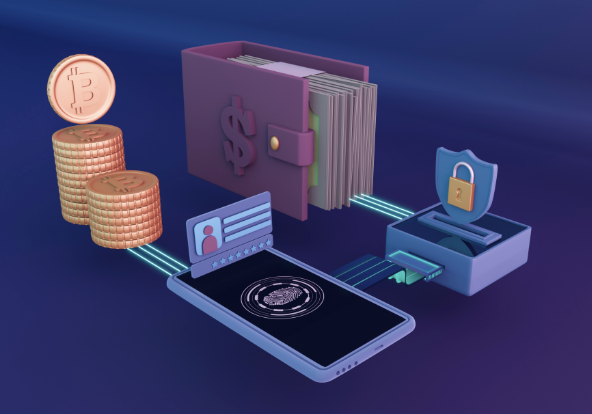
Hot wallets enable quick access for transfers and trading but increase online exposure. Cold wallets emphasize offline storage and strong custody, reducing attack surfaces for long-term holdings. The choice depends on threat models and need for liquidity. Many users employ both: hot for active use, cold for savings and backups. The question remains: how should one balance accessibility with protection to fit their goals?
What Hot Wallets and Cold Wallets Do for You
Hot wallets and cold wallets serve different roles in cryptocurrency management. They provide complementary access and security, enabling flexible spending and secure saving. Hot storage enables rapid transactions and convenient transfers, while cold storage protects assets from online threats.
Together they balance liquidity and safety, supporting a portfolio strategy that values freedom without sacrificing prudent asset protection through hot and cold storage.
How to Choose Between Hot and Cold Wallets
Choosing between hot and cold wallets hinges on balancing accessibility with security.
The selection rests on evaluating security risks alongside user experience: hot wallets offer quick access for everyday use but greater exposure, while cold wallets emphasize offline storage and reduced risk at the cost of convenience.
Readers should align choices with personal threat models and freedom-centric goals.
Practical Use Cases: Frequent Trades vs Long-Term Storage
For frequent traders, hot wallets offer rapid access to funds and swift execution of trades, while long-term storage strategies prioritize security and custody over immediate usability. In practice, hot storage enables nimble reallocations and liquidity, whereas cold approaches emphasize asset protection. Wallet compatibility matters: cross‑platform support ensures flexible transfers, mitigating risk while preserving control of hot storage.
Best Practices to Secure Both Wallet Types
Security for both hot and cold wallets hinges on layered, practical controls. The guidance emphasizes separation of duties, regular updates, and threat modeling to minimize risk. For hot wallets, emphasize accessibility without compromising security, and enforce strong authentication. For cold wallets, implement robust cold wallet backup strategies, offline storage, and diversification across safe locations to maintain continuity and resilience.
Frequently Asked Questions
How Do Hot and Cold Wallets Affect Tax Reporting?
Hot wallets affect tax reporting by recording near-term transactions, whereas cold wallets influence long-term holdings; both require accurate deltas for tax reporting. Cold wallets may necessitate documenting ownership provenance; hot wallets demand routine transaction logs for compliance clarity.
Can You Recover Funds if a Wallet Provider Closes?
When a wallet provider closes, fund recovery is uncertain and often unlikely; users may lose access. The detached observer notes provider closure risks, urging safeguards and diversification to preserve autonomy and mitigate potential irrecoverable losses.
Are There Wallet Types Hybrids Between Hot and Cold?
Yes, hybrid wallets exist. A hybrid wallet combines hot and cold elements, enabling online access with occasional offline storage. In practice, hot cold hybrid balances usability and security, enabling selective, user-controlled key exposure for enhanced freedom.
See also:The Future of Technology in the Next Decade
Do Wallets Support Multi-Signature for Extra Security?
Yes, many wallets support multi signature, enhancing security focused safeguards by requiring agreement from multiple keys before spending. This architecture distributes trust, reduces single points of failure, and aligns with privacy-conscious users valuing autonomy and freedom.
What Are Hidden Risks of Phishing and Malware Attacks?
Is phishing awareness enough to prevent loss, or do attackers exploit unseen gaps? The hidden risks include convincing phishing and stealth malware, requiring ongoing malware prevention and vigilance; awareness alone cannot guarantee safety, but informed actions reduce exposure significantly.
Conclusion
In practice, hot wallets enable rapid trades and liquidity, while cold wallets prioritize offline custody and long-term security. A notable statistic: studies show that the majority of high-value crypto losses arise from insecure hot-wallet handling, underscoring the need for layered defenses. Taken together, users benefit from a dual-approach: keep small, everyday funds in hot wallets and store the bulk of assets offline in cold wallets. This balance optimizes accessibility, risk, and resilience.