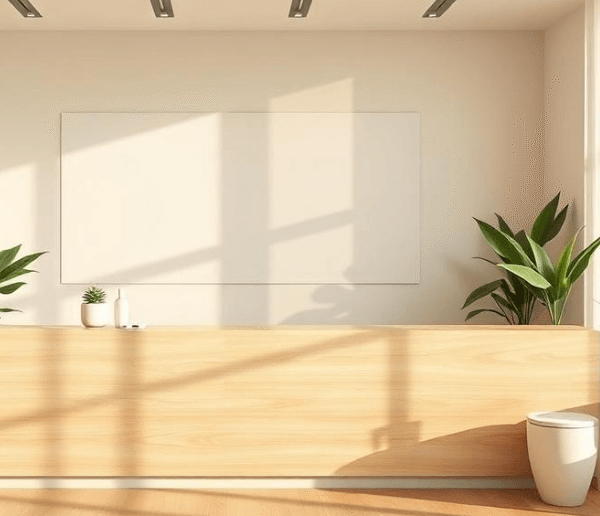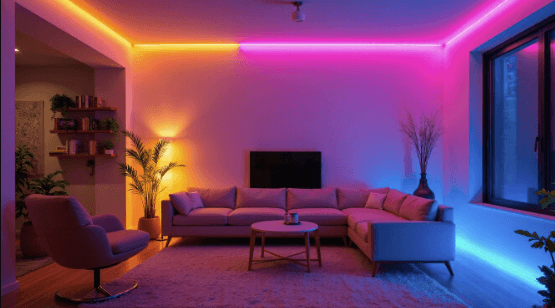
Energy-efficient lighting upgrades focus on high-lumen-per-watt LEDs with strong efficiency ratings, long lifetimes, and good color rendering. Smart controls, such as occupancy sensors and daylight-linked dimming, reduce waste without sacrificing comfort. Fixture layouts should leverage natural daylight and minimize glare, enabling modular, scalable solutions. Cost-effective options like retrofit kits and standardized components offer quick payback. The practical path combines performance data with budget constraints, but a pivotal decision point remains to justify the next step.
How to Choose Energy-Efficient LEDs and Fixtures
Selecting energy-efficient LEDs and fixtures begins with understanding two core specifications: lumen output and efficiency. Acknowledgment of LED efficiency guides lifetime cost and performance, while color rendering clarifies perceived colors under light.
Designers compare lumen-per-watt ratios and fixture efficiency, selecting products with stable performance.
Practical choices balance brightness, quality, and anticipated space needs, avoiding overkill and wasted energy.
Smart Controls and Automation That Save (and Simplify) Lighting
Smart controls and automation optimize lighting energy use while reducing manual tasks. Systems deploy occupancy sensors, daylight–linked dimming, and timed schedules to cut energy waste without sacrificing productivity.
Automation efficiency hinges on centralized control and clear overrides, enabling rapid adjustments and reporting.
For freedom seekers, these tools offer reliable, scalable savings, traceable performance, and hands-off reliability across diverse spaces.
Layouts and Daylighting Strategies for Bright, Efficient Spaces
Efficient layouts and daylighting strategies optimize space illumination by aligning fixture placement with natural light availability and task needs. Layout optimization reduces artificial output while maintaining comfort, utility, and flexibility. Daylight harvesting complements sensors to adapt luminance throughout the day. Practical recommendations emphasize modular layouts, glare control, and scalable lighting schemes that support freedom and productivity without wasted energy.
Budget-Friendly Upgrades With Big Long-Term Savings
Budget-friendly upgrades deliver measurable savings without sacrificing performance, building on layouts and daylighting principles by prioritizing low-cost, high-impact changes. The analysis emphasizes switching to efficient LED variants, optimizing controls, and standardizing components to reduce maintenance. Two word discussion ideas emerge: subtopic mismatch; irrelevant pairings. Results show paybacks within two to five years, with scalable savings across diverse spaces and user freedoms.
Frequently Asked Questions
What Is the Environmental Impact of LED Disposal?
The environmental impact of LED disposal is minimized when following disposal guidelines: LEDs contain small amounts of hazardous materials; improper disposal risks soil and water contamination. Proper recycling reduces toxic leakage, recovering materials for reuse and minimizing landfill burden.
How Do Lighting Upgrades Affect Indoor Air Quality?
Upgrading lighting can influence indoor air quality through reduced heat output and ventilation needs; air quality effects are modest when fixtures are properly selected. Ventilation considerations emphasize maintaining adequate exchange rates, minimizing pollutant buildup, and ensuring fresh air supply aligns with occupancy.
Are There Tax Credits for Retrofitting Existing Fixtures?
Tax credits exist for retrofitting existing fixtures, though eligibility varies by program; nationwide pilots show up to 30% energy savings. The policy landscape favors efficiency upgrades with investing in existing fixtures, encouraging practical, freedom-oriented, data-driven decisions.
What Maintenance Routines Maximize LED Lifespan?
Maintenance routines that maximize LED lifespan include strict maintenance schedules and periodic component lubrication, ensuring drivers and heat sinks remain within spec, avoiding over-tightening, and recording performance data to anticipate failures rather than react, thereby supporting reliable, freedom-minded operation.
See also: The Future of Wearable Technology
How Do Lighting Upgrades Influence Resale Value?
A single anecdote: a renovated home sold faster when lighting resale value was optimized, illustrating how upgrades matter. Lighting resale improves perceived quality; an upgrade strategy balances cost, efficiency, and ambiance, boosting appeal and marketability for freedom-seeking buyers.
Conclusion
A concise, data-driven conclusion: Upgrading to high-efficiency LEDs with smart controls yields clear, measurable savings in energy and maintenance. Typical payback ranges from two to five years, depending on usage patterns and initial costs. A practical example: a 10,000 ft² office reduced lighting watts by 60% and annual energy costs by about $6,000 after installing LEDs, occupancy sensors, and daylight-aware dimming. Ongoing benefits include longer fixture life, improved color rendering, and scalable, cost-effective controls for future expansion.