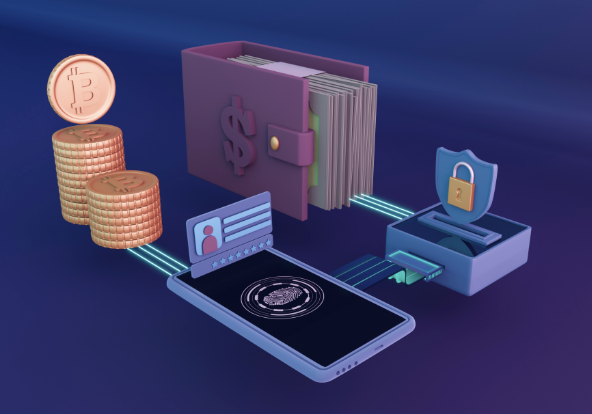
Hardware wallets isolate private keys from compromised devices, enabling controlled signing and air-gapped workflows. The guide emphasizes asset compatibility, strict firmware validation, and tamper-evident design. Seeds should be generated offline and stored securely, with repeatable setup procedures to reduce attack surfaces. Ongoing risk management calls for verifiable backups, timely updates, and routine audits. The framework outlines clear red flags and continuous monitoring, yet leaves unresolved how these practices scale across varied environments. The next steps will clarify that integration.
Why Hardware Wallets Matter for Crypto Security
Hardware wallets play a crucial role in crypto security by isolating private keys from potentially compromised devices and networks. They provide controlled key access and transaction signing, reducing exposure to malware. By maintaining strict isolation, hardware wallets enable users to keep firmware updated, manage the seeds lifecycle, and ensure access safety, supporting autonomous control over digital assets and freedom.
Choosing and Setting Up Your First Hardware Wallet
Selecting a hardware wallet involves evaluating compatibility with intended assets, security features, and user workflow to minimize attack surfaces from the outset; this assessment guides choices that balance convenience with robust protection.
The process favors a shielded backup culture and an air gapped setup, ensuring seed material remains offline while initial configuration, verification, and pairing follow strict, repeatable procedures for durable security.
Core Practices: Keeping Firmware, Seeds, and Access Safe
Guarding firmware, seeds, and access hinges on disciplined, repeatable procedures that minimize exposure to compromise. The protocol emphasizes firmware integrity verification, tamper-evidence checks, and cryptographic isolation between operational layers. Seed handling requires offline generation, secure storage, and limited exposure. Access control relies on multi-factor governance, tamper-resistant methods, and audit trails, ensuring resilience without sacrificing user freedom.
Recovery, Red Flags, and Ongoing Risk Management
How can a hardware wallet programmaticly sustain safety after deployment? Recovery processes and ongoing risk management establish structured resilience, emphasizing verifiable backups, secure recovery phrases, and timely firmware validation. Red flags are defined as anomalous transactions, unexpected prompts, or failed attestations. Continuous monitoring, incident response, and routine audits reinforce hardware wallet security, ensuring enduring autonomy, trust, and user freedom.
Frequently Asked Questions
How Do Hardware Wallets Differ From Software Wallets in Malware Risk?
Hardware wallets reduce malware risk relative to software wallets, since private keys never expose to host systems, yet seed reuse and device risk persist; disciplined use and trusted provenance are essential to minimize residual threats.
Can I Reuse Seeds Across Multiple Devices Without Risk?
Seed reuse across devices is risky; statistics show 20% of users reuse seeds. It is not recommended. Seed isolation is crucial, as compromised seed on one device endangers all. A rigorous, precise approach protects freedom and funds.
What Is the Best Way to Securely Dispose of Old Hardware?
Secure disposal requires thorough data sanitization: first, perform factory reset and firmware wipe; then physically destroy storage media or use certified shredding. The process should be documented, retained, and verified to prevent residual data access and ensure compliance.
Do Hardware Wallets Support Multi-Signature Setups for Larger Portfolios?
Yes, hardware wallets support multi-signature setups for larger portfolios, enabling distributed control. This requires precise coordination, robust firmware signing, and careful key management to preserve freedom while maintaining rigorous security standards and auditable transaction approval.
See also:The Future of Technology in the Next Decade
How Often Should I Verify Manufacturer Firmware Integrity After Updates?
Verification frequency should align with update cadence, typically confirming firmware integrity after each major release and periodically between updates. Seed reuse risk remains, so rigorous checks are essential. Multi signature support considerations require unchanged verification practices for freedom-oriented portfolios.
Conclusion
In caution and confidence, the guide juxtaposes vigilance with trust: a cold device rests beside a warm, vulnerable screen. Firmware gleams with integrity, while seeds lie sealed in darkness, untouched by careless hands. The pathway to autonomy is deliberate, repeatable, and auditable—air gaps, backups, and monotone verification forming a shield. When risk appears as a shadow, preparation shines as proof. Together, they crystallize a disciplined balance between security’s rigor and practical peace of mind.