The future of wearable technology is poised for significant transformation. Innovations in smart textiles and biometric sensors will enhance personalization and integration into daily life. Furthermore, augmented reality is set to redefine user engagement in fitness and health. As aesthetics and functionality converge, the potential for wearables to reshape industries becomes evident. What implications might these advancements have for individual health management and societal norms? The answers could be more profound than anticipated.
The Evolution of Wearable Devices
As technology advanced rapidly over the past few decades, wearable devices have transformed from rudimentary inventions into sophisticated gadgets integral to daily life.
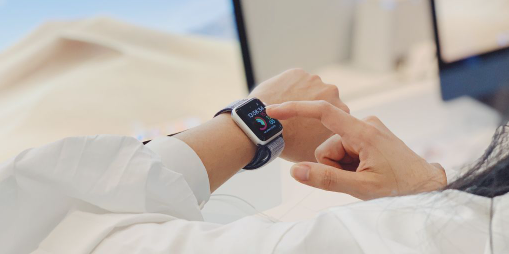
The integration of smart textiles and biometric sensors has revolutionized this evolution, enabling garments to monitor health metrics seamlessly.
These innovations empower users with real-time data, promoting a deeper understanding of their bodies and enhancing personal freedom in health management.
Health and Fitness Innovations
Health and fitness innovations in wearable technology have significantly reshaped how individuals approach their wellness journeys.
Smart clothing embedded with biometric sensors provides real-time data on heart rate, muscle activity, and overall health metrics. This seamless integration enhances personal accountability and empowers users to optimize their fitness routines.
As technology advances, the potential for customized wellness experiences continues to expand, offering newfound freedom in health management.
Augmented Reality and Enhanced Experiences
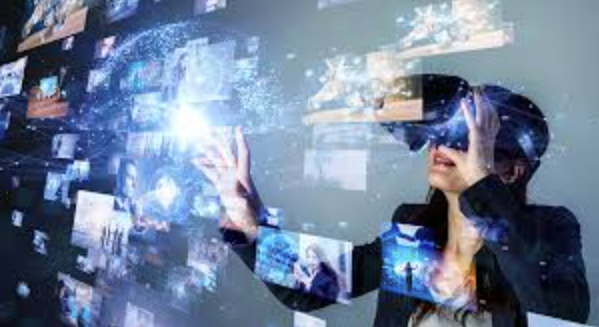
The integration of augmented reality (AR) into wearable technology is revolutionizing user experiences across various domains, particularly in fitness and outdoor activities.
By employing virtual interfaces, users engage in immersive interactions that enhance their understanding of environments and performance metrics.
This technology empowers individuals, offering personalized insights and fostering a deeper connection to their activities, ultimately promoting a sense of freedom and exploration.
See also: The Future of Technology in the Next Decade
The Impact on Industries and Daily Life
While wearable technology continues to evolve, its impact on various industries and daily life becomes increasingly profound.
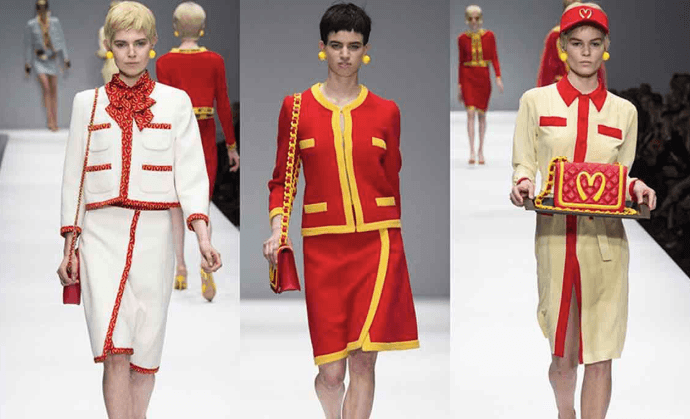
Fashion integration has transformed personal style, allowing individuals to express themselves while benefiting from functionality.
In the workplace, these devices enhance productivity by streamlining tasks and fostering connectivity.
Ultimately, wearable technology is reshaping how people interact with their environment, blending aesthetics with practicality in everyday experiences.
Conclusion
As wearable technology continues to evolve, it promises to transform personal health management and daily living. While some may argue that these devices can lead to information overload, the integration of smart textiles and biometric sensors ensures that data is personalized and actionable. This tailored approach not only enhances user engagement but also fosters a more proactive attitude towards health. By blending functionality with aesthetics, the future of wearables holds the potential to significantly enrich individual lifestyles and well-being.